





How to Winterize Your Vehicle for Maximum Safety
Preparing for cold-weather driving starts with understanding how to winterize your vehicle in a way that boosts both efficiency and safety. Drivers in Northwest Arkansas face shifting temperatures, icy mornings, and unexpected winter storms that require more than a simple once-over of tires and fluids. Truly winter-ready vehicles rely on a combination of mechanical readiness, fluid stability, battery strength, and visibility enhancements. This comprehensive guide examines not only the what but the why behind each winterization step, drawing from expert automotive principles and real-world regional driving conditions.
The science behind winter preparation is grounded in basic physics and material responses to cold. Engine oil thickens, fuel efficiency drops, battery capacity declines, and rubber components stiffen. Understanding these reactions allows drivers to make informed, preventative choices rather than reactive repairs in poor driving conditions.
Key areas that require attention include:
— Battery health and cold-cranking capacity
— Coolant ratios designed for freezing temperatures
— Tire tread depth and proper PSI for cold climates
— Wiper and defroster system performance
— Fuel system maintenance to prevent condensation
Whether you plan to take on winter commutes, holiday travel, or rugged back-road routes, being proactive improves performance, prolongs vehicle life, and enhances driver confidence.
Winter Maintenance Essentials at McLarty Daniel Chrysler Dodge Jeep Ram Fiat
Drivers preparing for seasonal weather quickly discover that how to winterize your vehicle involves more than topping off antifreeze. At McLarty Daniel Chrysler Dodge Jeep Ram Fiat, service specialists approach winterization as a system-wide evaluation. This ensures that every component likely to be affected by Arkansas cold snaps performs as intended, especially when temperatures swing rapidly between day and night.Cold weather affects mechanical systems in predictable ways. Engine oil thickens, which slows lubrication on startup. Batteries lose as much as 30 percent of their cranking ability at 32 degrees. Rubber belts lose elasticity, and worn coolant mixtures can freeze or promote corrosion. By inspecting your vehicle holistically, technicians can identify developing issues before freezing conditions expose them.
Critical areas addressed during winter service include:
— Battery testing for voltage, cold-cranking amps, and age-related decline
— Brake system inspection to verify pad depth and rotor condition in slick conditions
— Coolant mixture calibrated to a 50/50 ratio for optimal heat transfer and freeze protection
— Tire evaluations to ensure safe tread depth and proper cold-weather PSI
— HVAC and defroster checks to maintain clear visibility
Drivers can schedule a full winter inspection directly through the service appointment portal.
How to Winterize Your Vehicle With Proper Fluids, Filters, and Fuel Prep
When thinking about how to winterize your vehicle, fluids and filters are often overlooked despite being some of the most essential components of winter readiness. Cold temperatures change the viscosity, performance, and flow characteristics of nearly every automotive fluid, making seasonal updates crucial for longevity and dependability.
Motor oil thickens in cold temperatures, which delays proper lubrication during startup. For many modern engines, synthetic oil provides superior low-temperature flow characteristics, reducing stress on moving components. Coolant, on the other hand, must maintain an optimal water-to-antifreeze ratio to prevent freezing, corrosion, and overheating. Windshield washer fluid is another critical element, as summer formulations may freeze and crack lines or reservoirs.
Key winter fluid considerations include:
— Switching to synthetic or manufacturer-approved winter-grade oils
— Confirming coolant freeze protection with a hydrometer test
— Using winter-rated washer fluid to maintain visibility
— Checking transmission and brake fluids for correct performance properties
Fuel systems also require attention. Cold weather can create condensation inside fuel tanks, which can lead to injector issues or rough starts. Keeping tanks at least half full reduces moisture buildup, stabilizes fuel temperature, and protects the pump from premature wear.
Learn more about parts and accessories, including winter-ready fluids, through the Parts Department.
Advanced Cold-Weather Prep at McLarty Daniel Chrysler Dodge Jeep Ram Fiat
Drivers preparing for winter quickly discover that how to winterize your vehicle extends to advanced preparation techniques that improve both safety and longevity. At McLarty Daniel Chrysler Dodge Jeep Ram Fiat, service professionals pay close attention to elements that influence control, traction, visibility, and cold-start reliability. Although the targeted keyword phrase appears early in this section as required, the focus remains on practical expertise and manufacturer-informed recommendations.Cold-weather readiness involves deep knowledge of how modern vehicles respond to temperature swings. For example, electronic stability systems rely on wheel-speed sensors that can malfunction when road debris freezes around them. Similarly, rubber bushings stiffen in cold weather, which may create knocking sounds or reduced suspension responsiveness. Ensuring that these systems function at peak performance allows your vehicle to adapt to winter conditions smoothly.
Important advanced prep steps include:
— Inspecting and replacing worn belts, which can crack as temperatures drop
— Evaluating 4x4 or AWD components to confirm proper actuator and transfer-case performance
— Testing alternator output to ensure strong charging cycles in winter
— Examining exhaust systems for leaks, which become more dangerous when idling in cold weather
— Checking heating elements in rear defrosters and side mirrors
A winter-prepared vehicle is a safer, more efficient vehicle, and these advanced checks help drivers stay ready for long trips or unpredictable weather.
Learn more about professional inspections at the Service Center.
How to Winterize Your Vehicle With Smart Tires, Battery Care, and Visibility Upgrades
The final component of how to winterize your vehicle focuses on the systems that directly influence your day-to-day winter driving experience. Traction, lighting, and battery strength are foundational to safe travel during cold, wet, or icy conditions. Investing time into these systems improves fuel efficiency, braking stability, and overall vehicle responsiveness.
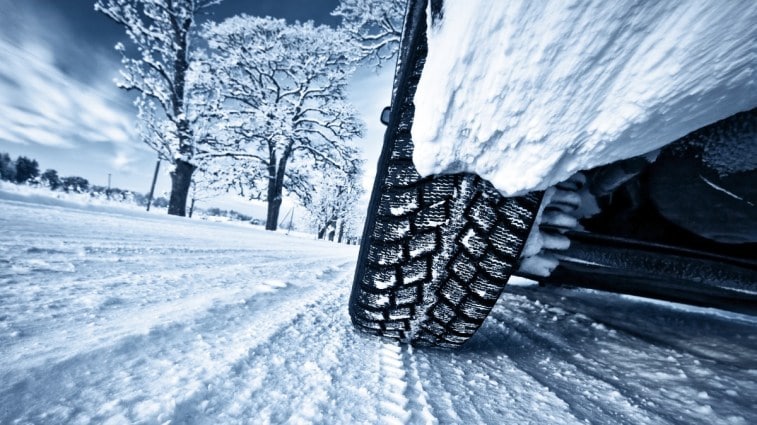
Cold air reduces tire pressure, and even a few PSI below specification can increase wear, reduce traction, and diminish fuel economy. Winter tire compounds remain flexible at lower temperatures, improving road grip even when snow is not present. Meanwhile, modern LED headlights, free of haze or oxidation, significantly improve visibility during dark winter commutes.
Smart winter readiness includes:
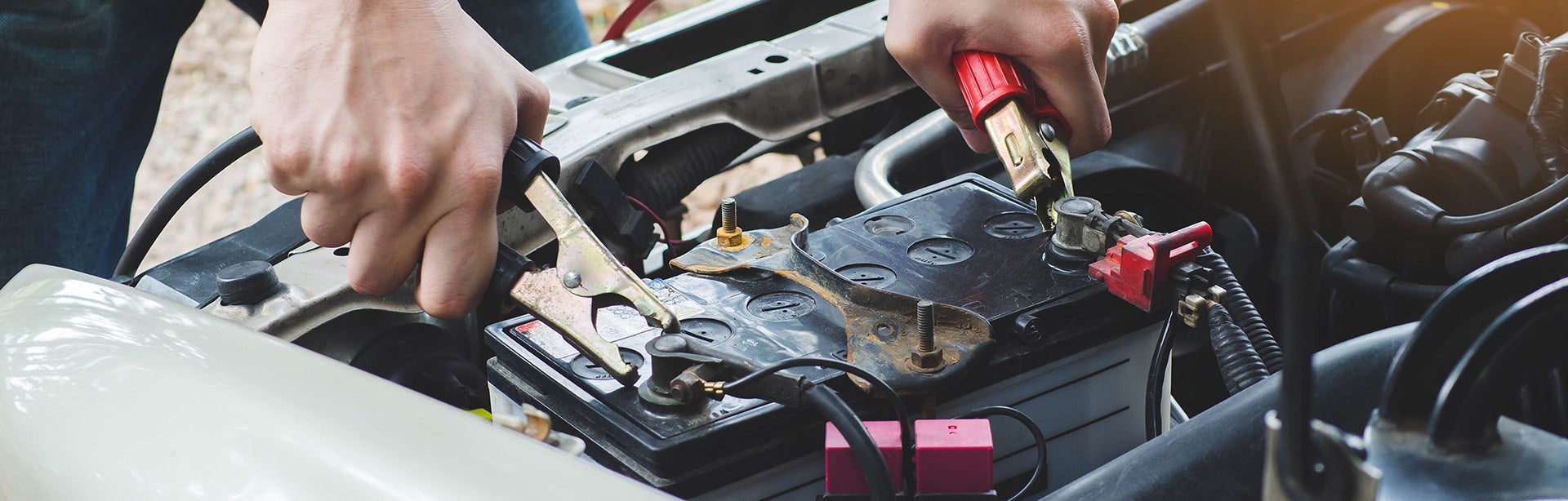
— Checking battery age; most batteries operate reliably for 3 to 5 years
— Evaluating tire health using penny-test or depth gauge measurements
— Upgrading to winter-rated or all-weather tires for enhanced braking control
— Inspecting headlight housings for clarity and alignment
— Replacing worn wiper blades to maintain consistent windshield contact
Drivers preparing for winter also benefit from full safety inspections available at our service department.
Get Ready for Winter With Professional Support
Whether you need a battery test, fresh fluids, new tires, or a full inspection, understanding how to winterize your vehicle ensures a safer and smoother winter driving season. Schedule an appointment with McLarty Daniel Chrysler Dodge Jeep Ram Fiat to prepare your vehicle with precision, expertise, and manufacturer-approved care that keeps you protected through every cold morning and icy forecast.